ATEX zones
ATEX zones define areas where there is a risk of explosive atmospheres due to the presence of flammable gases, vapors, or dust. Equipment and protective systems used in these zones must comply with strict ATEX directives to ensure safety. Our products are designed and certified for use in ATEX zones 0, 1, 2, 20, 21, and 22, meeting the highest safety standards.
Subcategories
-
Zone 1/21
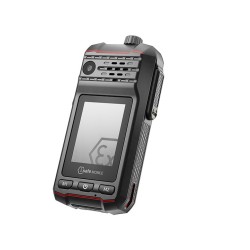
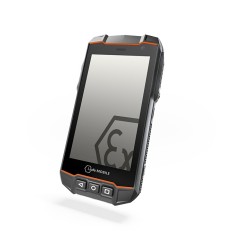
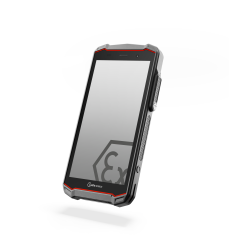
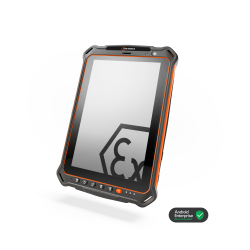
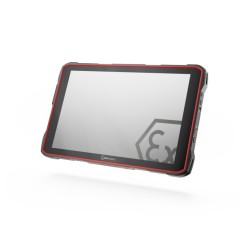
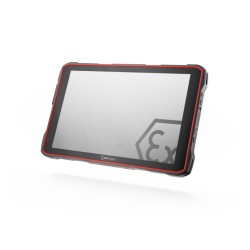
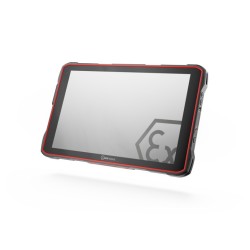
Devices intended for use in areas characterized by an increased risk of explosion and/or the presence of significant amounts of combustible dust must comply with the relevant safety standards. In areas where there is a potential explosion risk, it is necessary to use telecommunications devices with special Ex design. Our mobile phones, smartphones, tablets, and other multifunctional devices meet strict standards, are certified in accordance with the ATEX Directive, and are approved for use in Zone 1 for gases and Zone 21 for dust. This means that our devices can be used safely in areas where there is a potential risk of explosion under normal operating conditions.
-
Zone 2/22
Equipment designed for areas characterized by an increased risk of explosion and/or the presence of significant amounts of combustible dust must comply with the relevant safety standards. In Zone 2/22, potential explosion hazards occur rarely and only for a limited period of time. To ensure safety, even in areas with relatively low risk, we recommend using our devices, such as mobile phones, smartphones, and tablets. These are certified in accordance with ATEX standards for Zone 2/22, among others.
-

Industry
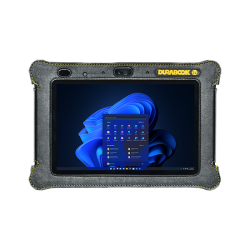
The development of rugged mobile devices for industrial use has been guided by the U.S. military standard MIL-STD-810-H, which outlines testing procedures for resistance to various environmental conditions.
-

Inspection
Modern i.Safe Mobile devices simplify the demanding task of valve leak detection with user-friendly apps and smart algorithms for fast, accurate results.